

When managing site clearance across commercial operations, every minute your crew spends prepping material is time taken away from billable work. Whether you are clearing out building debris, managing multi-dwelling bin bays, or pulling drink packaging off commercial lawns, loading up site waste quickly keeps your day moving.
A common frustration for trade crews is driving to a drop-off point only to have a portion of their haul turned away. Understanding the exact condition rules set by the Return and Earn scheme ensures your workers load compliant stock every time, eliminating wasted handling and protecting your bottom line.
At the Canterbury-Bankstown Return & Earn Depot in Roselands, we focus on getting commercial fleets processed fast. Knowing what can go straight onto our automated sorting beds keeps your job site prep to a minimum.
Can Crushed Cans or Broken Glass Be Returned for a 10c Refund?
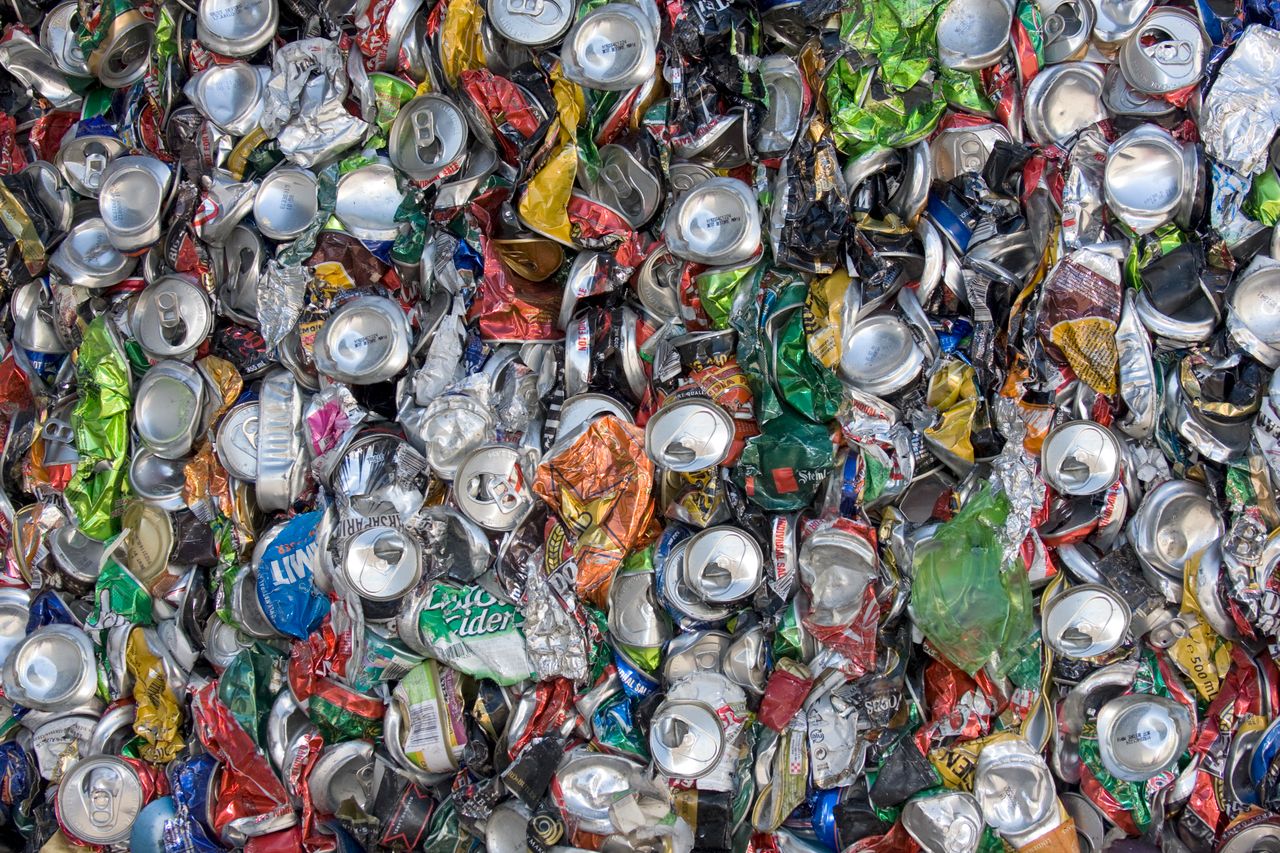
Under official Return and Earn scheme rules, drink containers must remain uncrushed and unbroken to receive the 10c refund.
Industrial sorting beds and high-speed optical counters rely on laser sensors to scan the barcode and match the physical container profile against the registered scheme database. When an aluminium can is squashed flat, run over by site machinery, or compacted in a scrap bin, the optical scanner cannot read the barcode or verify the item shape. The same applies to broken glass bottles; shattered glass cannot pass through counting beds and presents safety hazards for facility workers.
To protect your payout, instruct your crews not to crush cans or flatten plastic bottles during site cleanups. Ensure containers remain empty, uncrushed, and intact with their labels visible. If a container is accidentally crushed beyond recognition on site, it cannot earn a refund and should be placed directly into standard council kerbside recycling.
Do You Have to Remove Plastic Lids Before Dropping Off Bulk Bottles?
One of the biggest time-wasters for trade crews on site is standing around unscrewing plastic caps from hundreds of water and soft drink bottles.
You do not need to remove plastic lids before bringing your containers to our depot. Official scheme guidelines allow plastic bottle caps to remain on containers during returns. Leaving lids on saves your workers valuable prep time before loading vehicles, allowing them to toss empty bottles straight into bulk bags or site bins.
Leaving caps on also prevents residual liquid from leaking across your ute tray or trailer bed during transit. Once processed through our automated sorting infrastructure, plastic caps are separated downstream and recycled into industrial products such as plastic bin lids and flowerpots.
How Do High-Speed Optical Scanners Read Barcodes on Site Waste?
High-volume commercial processing relies on industrial automated sorting beds that read barcodes at extreme speed. Unlike manual retail machines that require single-bottle alignment, our mechanical sorting tables process mixed loads of glass, plastic, and aluminium simultaneously.
When bulk loads are tipped onto the sorting bed, optical sensors scan container labels instantly as items move along conveyor lines. For the scanner to register the 10c refund, the container label must remain attached and legible.
If bottles have had their paper or plastic labels torn completely off during rough site handling, the scanner cannot confirm scheme registration. Keeping labels intact ensures your haul passes through our commercial bottle recycling centre at maximum speed with zero count rejections.
How Can Trade Crews Streamline Bulk Drops for Maximum Site Efficiency?
Keeping your load compliant is the simplest way to turn site clearance into immediate revenue without stalling your schedule. By training your crews to keep containers intact and leave plastic caps on, you eliminate pre-sorting labour and guarantee a hassle-free drop-off.
Located at 37-39 Leslie St, Roselands, our facility offers easy access & convenient parking so trade utes, trailers, and trucks can pull in, reverse up, and unload without car park congestion. As soon as your load clears our high-speed counting beds, your driver receives instant CASH on the spot for every verified item, bypassing the vouchers and multi-day app delays common at retail sites.
For active builds, workshops, or trade yards generating regular volume, our dedicated Commercial Bin-Service provides high-capacity bins right on site. Storing containers in dedicated bins protects them from getting run over or crushed under heavy site gear, keeping labels readable and making your bulk drops even faster.
Regulatory Frameworks & Reference Links
- Return and Earn Container Eligibility Rules: Official Return and Earn Scheme Guidelines
- NSW EPA CDS Framework: NSW Environment Protection Authority Container Deposit Guidelines


