

Accumulating bulk piles of empty beverage containers across a trade yard, warehouse, or commercial holding site creates an immediate operational bottleneck. For commercial cleaners, strata management companies, and construction crews, physical space represents business capacity. When your weekly operations generate thousands of items from major event cleanouts or demolition sites, letting that waste sit around reduces your workspace safety and clogs your daily vehicle logistics.
The standard solution has always involved assigning a worker to load a utility van or trailer, drive to a facility, and manually drop off the haul. However, this method forces you to burn expensive billable labour hours on non-income-producing transport runs.
Utilising a dedicated commercial drop-and-swap bin system allows your enterprise to completely outsource the transport logistics, keeping your crews focused on primary projects while turning site waste into direct cash flow.
The Mechanics of the Commercial Drop-and-Swap Service
Managing mass volume requires moving past consumer-level recycling habits. A professional drop-and-swap program functions as a streamlined logistics loop built specifically around industrial waste generation.
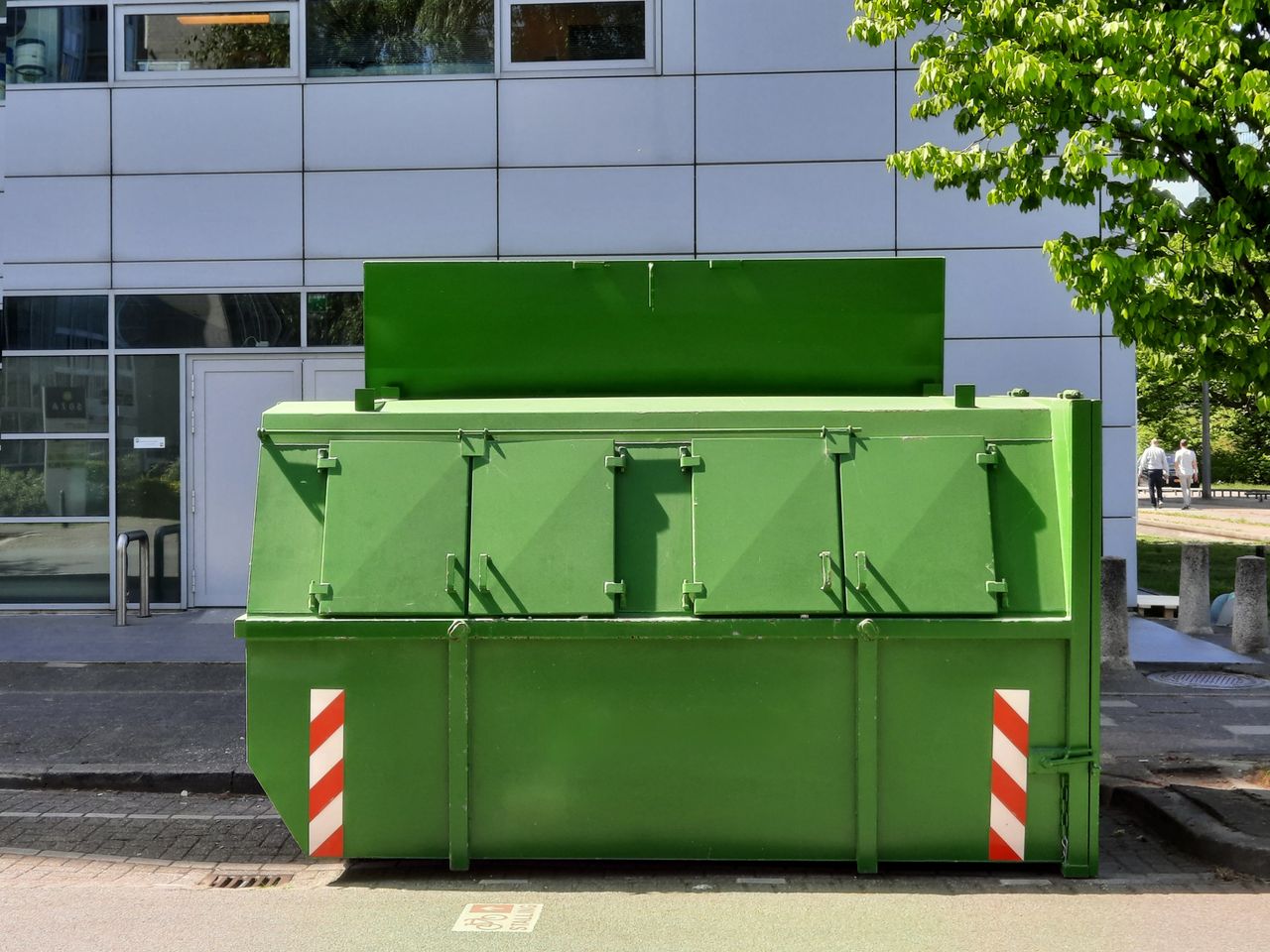
Our fleet operates as the primary high-capacity utility for the area, dropping heavy-duty, high-capacity recycling bins directly to your central operating yard, commercial facility, or designated job site. Your cleanup crews simply dump compliant containers into these secure units as they clear out commercial projects or complete daily property maintenance schedules.
Once the bins approach capacity, your fleet manager schedules a priority swap run. Our commercial transport teams arrive at your location, collect the filled units, and leave fresh, completely washed bins in their place. This eliminates the need for your staff to touch the waste twice or handle off-site transport logistics.
Industrial Sorting Beds Bypass the Retail Bottleneck
The primary reason commercial operators lose money on traditional container returns is the bottleneck caused by standard supermarket reverse vending machines (RVMs). Forcing a worker to stand in a public car park feeding bottles one by one into a retail slot is an expensive waste of business resources.
Every load collected through our commercial bin program routes directly to our specialised bottle recycling centre. Because our Roselands depot is engineered exclusively for fleet-scale logistics, the entire collection is tipped directly onto high-speed industrial automated sorting beds.
Advanced optical sensors scan and count thousands of mixed containers rapidly. The system reads scheme barcodes instantly, finalising the ledger readout without the mechanical failures, full-bin lockouts, or long consumer queues that plague retail shopping centre parking lots.
Converting Yard Waste into Instant Cash Flow
The most significant benefit of switching to a commercial account structure is the immediate boost to operational liquidity. Retail recycling stations frequently pay out via printed store paper vouchers, which are practically useless for corporate accounting systems and trade expenses.
Our industrial processing model secures hard financial liquidity by providing immediate cash payouts or direct electronic funds transfers (EFT) linked straight to your business ABN. Local commercial service groups leverage this immediate ledger settlement to fund day-to-day operational accounts:
- Commercial Cleaners: Turn mass trash-outs from commercial office blocks directly into automated, predictable petty cash injections for the field team.
- Strata Managers: Convert the mass volume cleared from scheduled apartment block bin updates into immediate maintenance capital for common-property expenses.
- Construction Crews: Recover value from the heavy packaging waste left behind by large subbies on commercial builds without distracting your main structural teams.
Maintaining Rapid Processing Speeds in the Field
To ensure your automated counts proceed without a hitch and your account is credited at maximum speed, instruct your yard teams to follow three basic handling rules before scheduling a pickup:
- Preserve the Barcodes: Our high-speed optical scanning tables rely on reading the official 10c refund mark to process the payout. Ensure your crews avoid crushing aluminium or plastic items completely flat so the digital sensors can verify them instantly.
- Route Exclusions Elsewhere: Keep plain white milk bottles of all sizes and pure juice containers of 1 litre or larger out of the recycling bins. These items are legally excluded from the NSW scheme and should be diverted straight to standard council kerbside bins at the job site to save premium bin volume.
- Drain All Fluids: Ensure all bottles and cans are empty. Fluid weight can throw off high-volume batch counts and creates unnecessary handling mess inside your yard space.
Activating Your Fleet Onboarding Program
Our heavy-duty infrastructure provides regional trade operators with a seamless alternative to public recycling infrastructure. For operations generating consistent bulk waste, our free drop-and-swap program removes every layer of transport friction.
We establish a clear, itemised digital statement for every account run, providing your bookkeeping team with transparent tracking metrics for EOFY tax compliance. You gain a clean workspace, zero transport costs, and an uncorrupted revenue stream managed entirely by automated logistics.
Protect your billable hours and clear out your commercial yard space. Contact our commercial accounts team to schedule your first free bin placement, or bring your trade fleet directly to our undercover drive-thru bays at 37-39 Leslie St, Roselands, to experience high-speed automated bulk tipping first-hand.


